
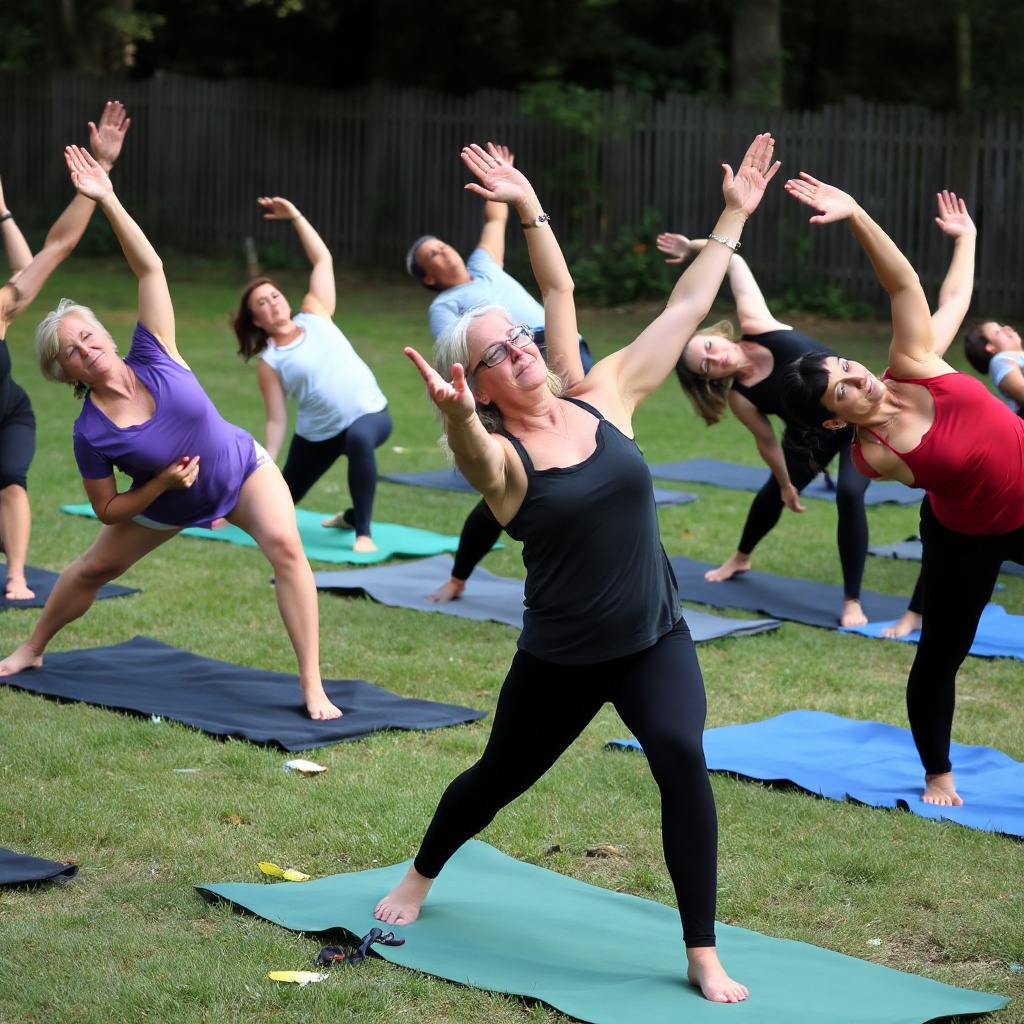


Regular physical activity supports heart health, stronger muscles, better sleep, and improved mood. Whether you're new to exercise or getting back on track, simple, sustainable routines help you build energy and resilience that fit your life.
Get Started
Regular physical activity supports heart health, energy levels, mood, and sleep. It helps maintain a healthy weight, improves mobility and balance, and contributes to long‑term independence. Even small increases in daily movement can make a noticeable difference.
Aim for a mix of aerobic (walking, cycling, swimming), strength (bodyweight exercises, resistance bands, weights), flexibility (stretching, yoga), and balance work (single‑leg stands, tai chi). Combining different types improves overall fitness and reduces injury risk.
Follow general public health guidance: at least 150 minutes per week of moderate aerobic activity or 75 minutes of vigorous activity, plus strength training for major muscle groups two or more days a week. Break activity into shorter sessions if needed to fit your schedule.
Begin with activities you enjoy and increase duration or intensity gradually. Warm up before exercise and cool down afterward. Use proper footwear and technique, listen to your body, and scale back if you experience sharp pain. Check with a healthcare professional before starting a new program if you have chronic health conditions or concerns.
Schedule workouts like appointments, set realistic goals, and vary activities to keep things interesting. Partner with a friend or join a class for accountability. Track progress in a simple log, prioritize sleep and hydration, and allow time for recovery to sustain long‑term habits.